Making Your Vehicle Last: The Key to Longevity
In today's fast-paced world, it's easy to fall into the trap of tossing things aside as soon as something newer comes along.
But let's take a moment to appreciate the value of making things last, especially when it comes to our vehicles.
Back in the day, people understood the importance of taking care of what they had because replacements weren't always easy to come by.
Fortunately, cars these days are built to last. With advancements in engineering and manufacturing, a modern vehicle can easily clock 200,000 miles or more with proper care. The key ingredient? Following the manufacturer's recommended maintenance schedules.
You see, every time you skip or delay a scheduled maintenance task, you're essentially creating opportunities for problems to arise. Take skipping an oil change, for example. Going a few thousand extra miles might not seem like a big deal, but it can lead to the formation of sludge, which can wreak havoc on your engine's performance.
The same goes for other essential services like cooling system maintenance, transmission service, and fuel system cleaning. Neglecting these tasks can lead to premature wear and tear on vital components, bringing you one step closer to a breakdown.
This is especially important for older vehicles, as they've had more time to accumulate dirt and grime. But it's never too late to get back on track with your maintenance schedule. By staying proactive and addressing issues early on, you can prevent further damage and extend the life of your vehicle.
Think of your maintenance schedule as your safety net. When you go in for a full-service oil change, your technician will not only top off your fluids but also check for any other items on your maintenance checklist. It's a simple yet effective way to stay on top of your vehicle's needs.
Sure, things might wear out along the way, like alternators and water pumps. But the good news is, fixing these issues at David's Automotive Repair is often more affordable than shelling out for a new car. Plus, addressing problems early means they have less time to cause additional damage, just like managing high cholesterol before it leads to a heart attack.
So, the next time you're tempted to put off that scheduled maintenance task, remember the importance of making your vehicle last. Trust me, your future self will thank you for it. Schedule your next service appointment today and let us help you keep your ride running smoothly for miles to come.
If your car vibrates or shakes while idling , something may not be working the way it should.
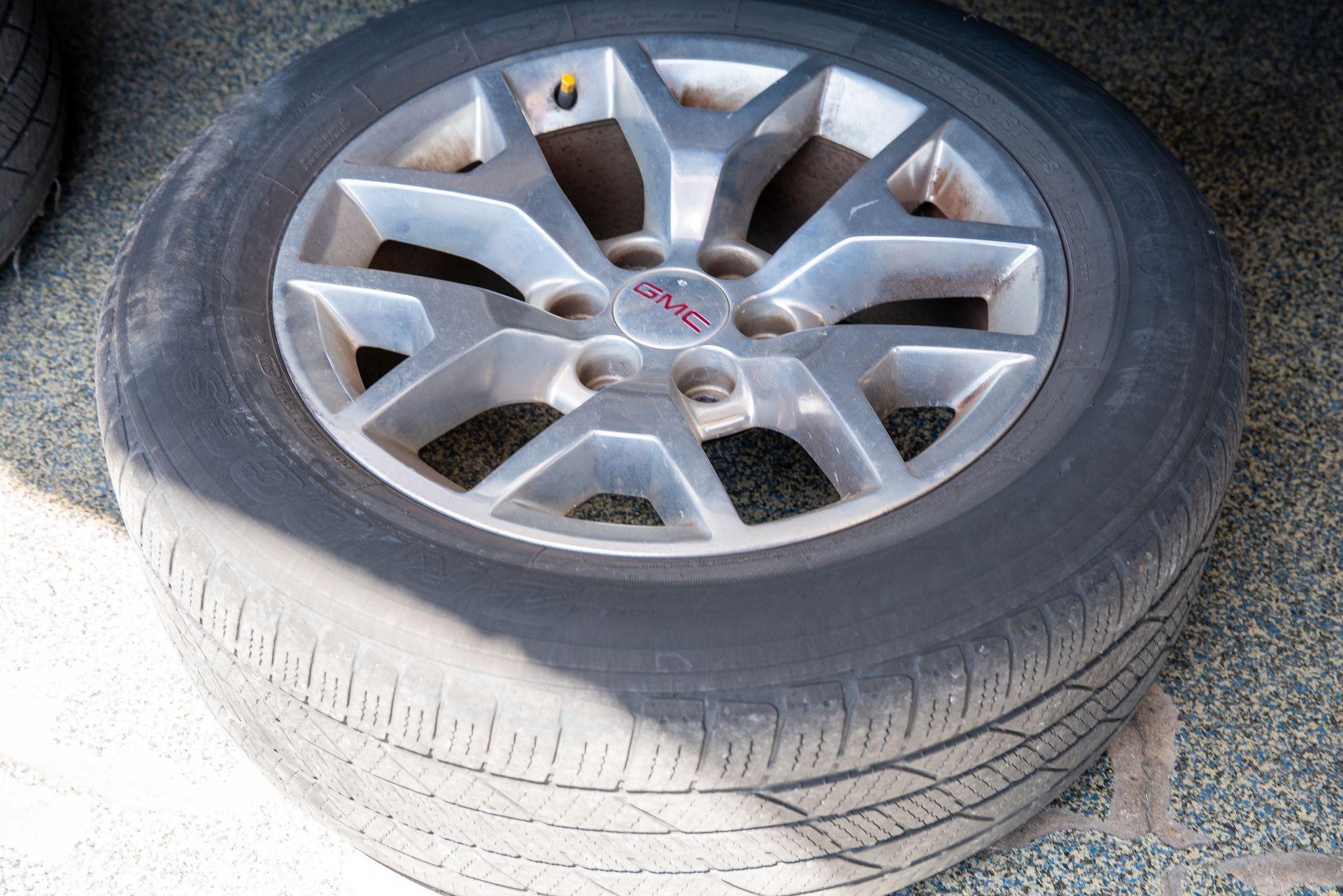
If your tires keep losing air, there is usually a reason. A small puncture, leaking valve stem, wheel problem, or change in weather can all cause tire pressure to drop.
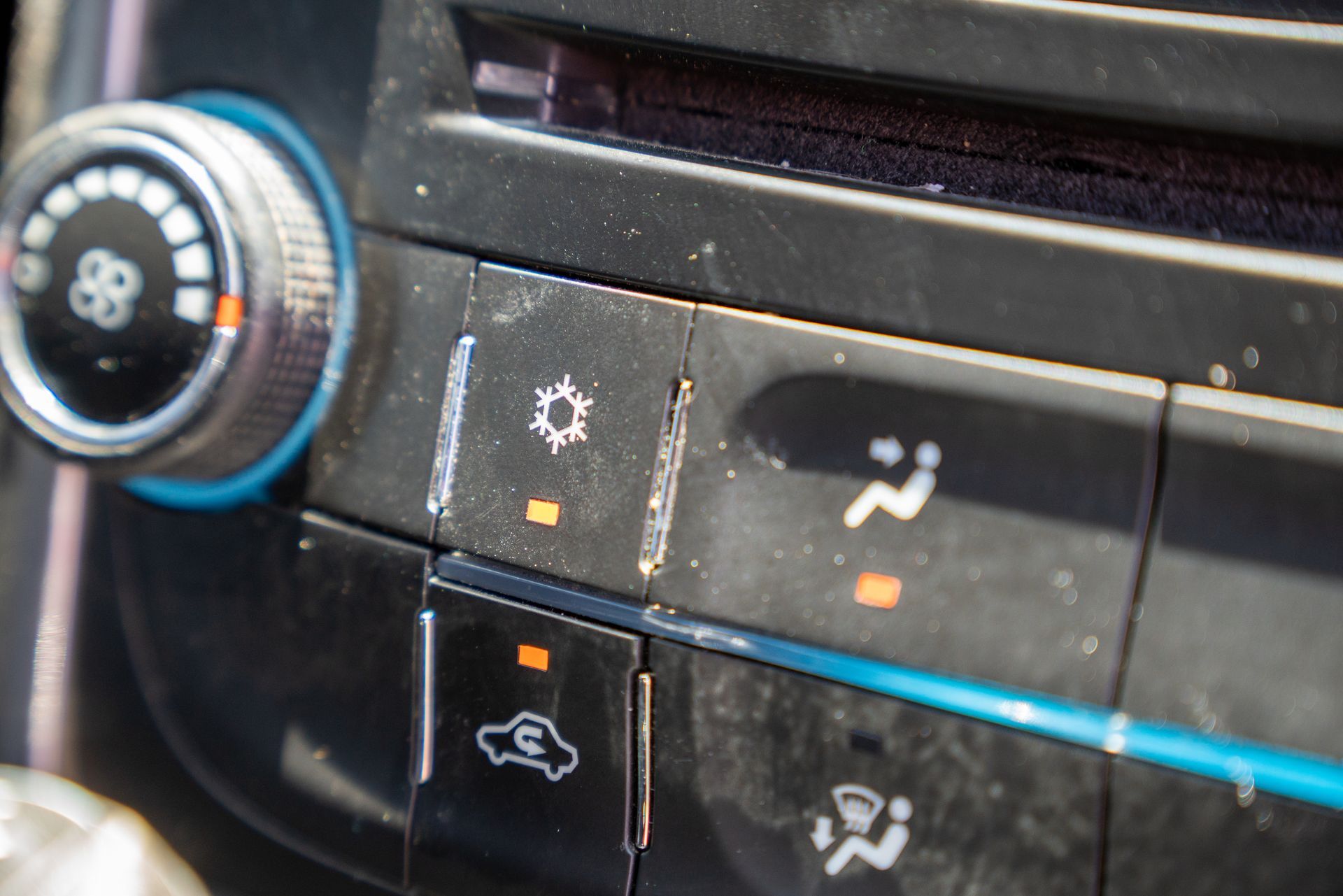
If your car AC smells musty when you turn it on, moisture may be trapped inside the AC system. That moisture can lead to mold, mildew, or other buildup that causes a bad smell from the vents.
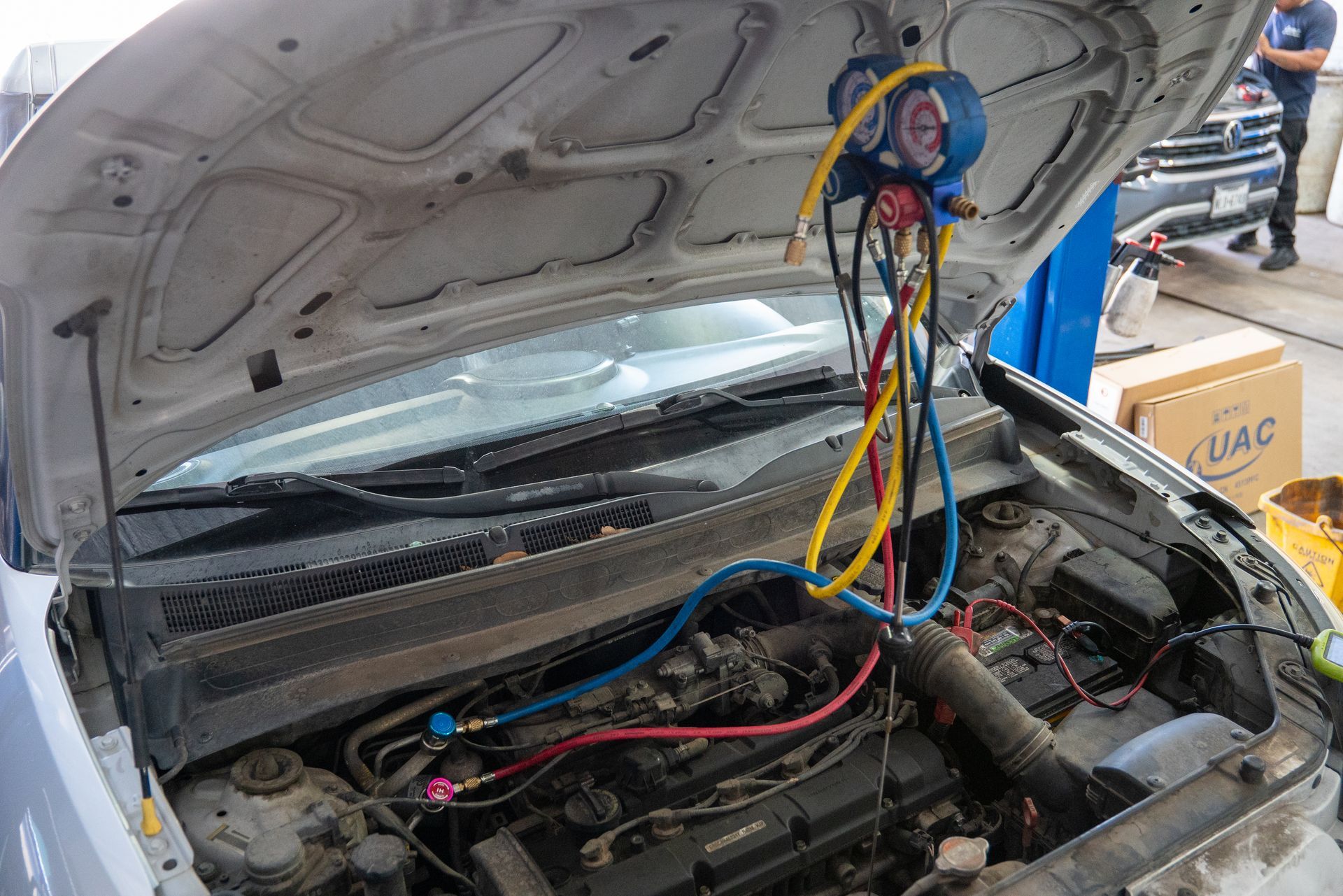
If you smell burning oil while driving , your vehicle may have an oil leak.
Ensure top performance with scheduled maintenance at David's Automotive Repair in The Colony, TX. Expert auto care you can trust. Schedule an appointment now!
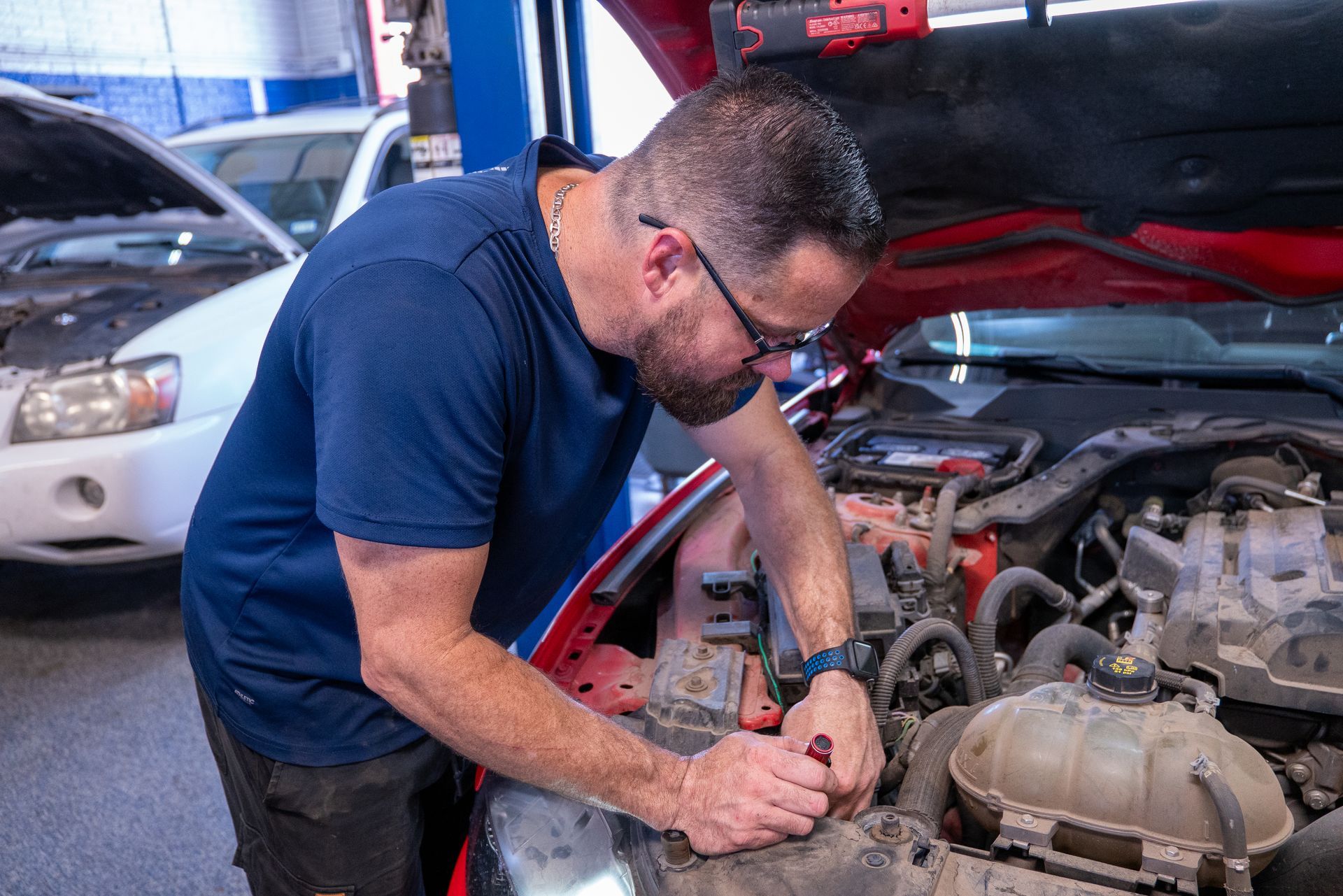
If your car hesitates when you accelerate, it may feel like the engine pauses before it picks up speed. You may also notice a lack of power, shaking, or a small jerk when you press the gas pedal.

Your Check Engine Light can come on even when your car seems to run fine .
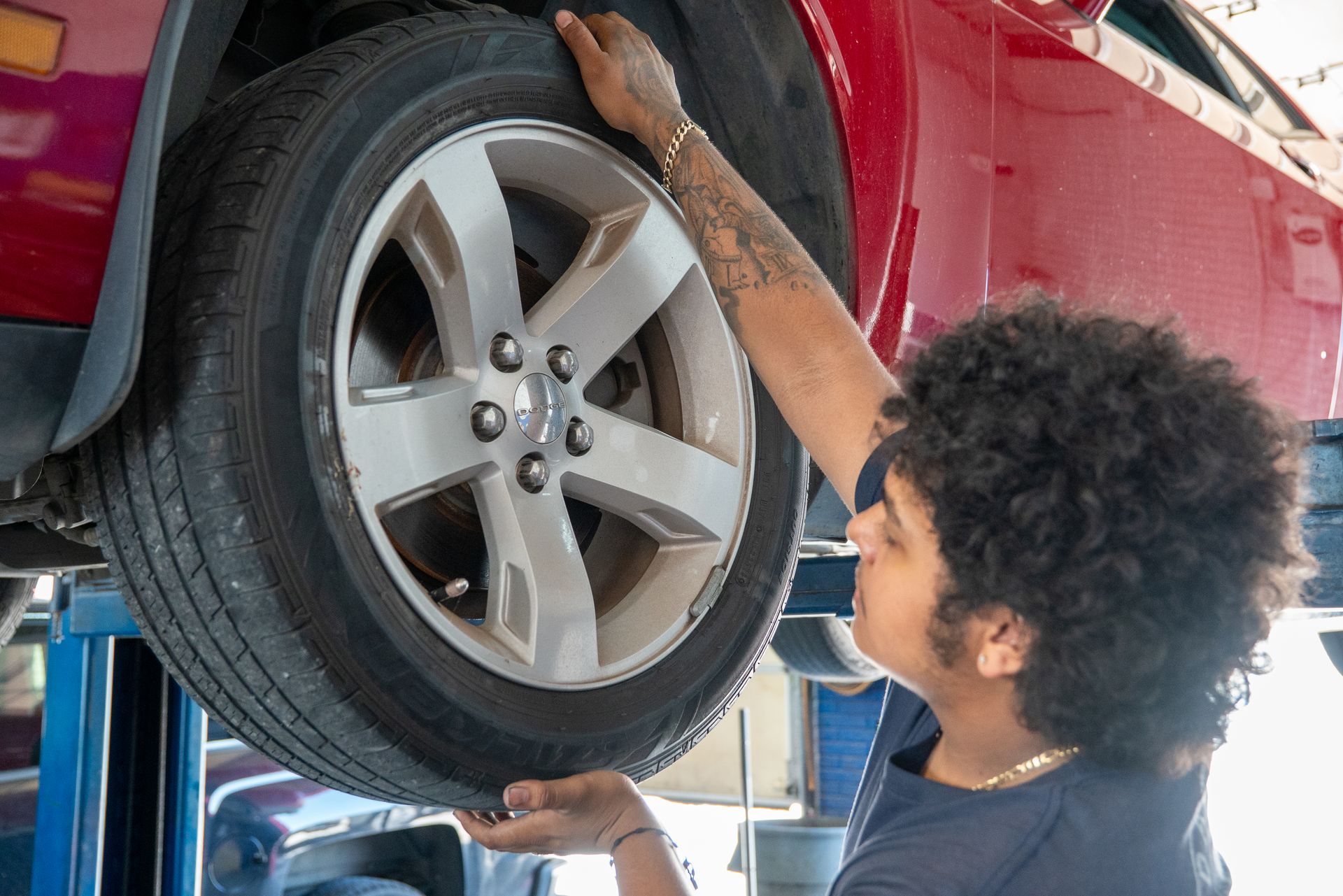
Yes. A bad wheel bearing can make a humming or growling sound that is easy to mistake for tire noise. The sound may start out quiet and get louder as you drive faster.
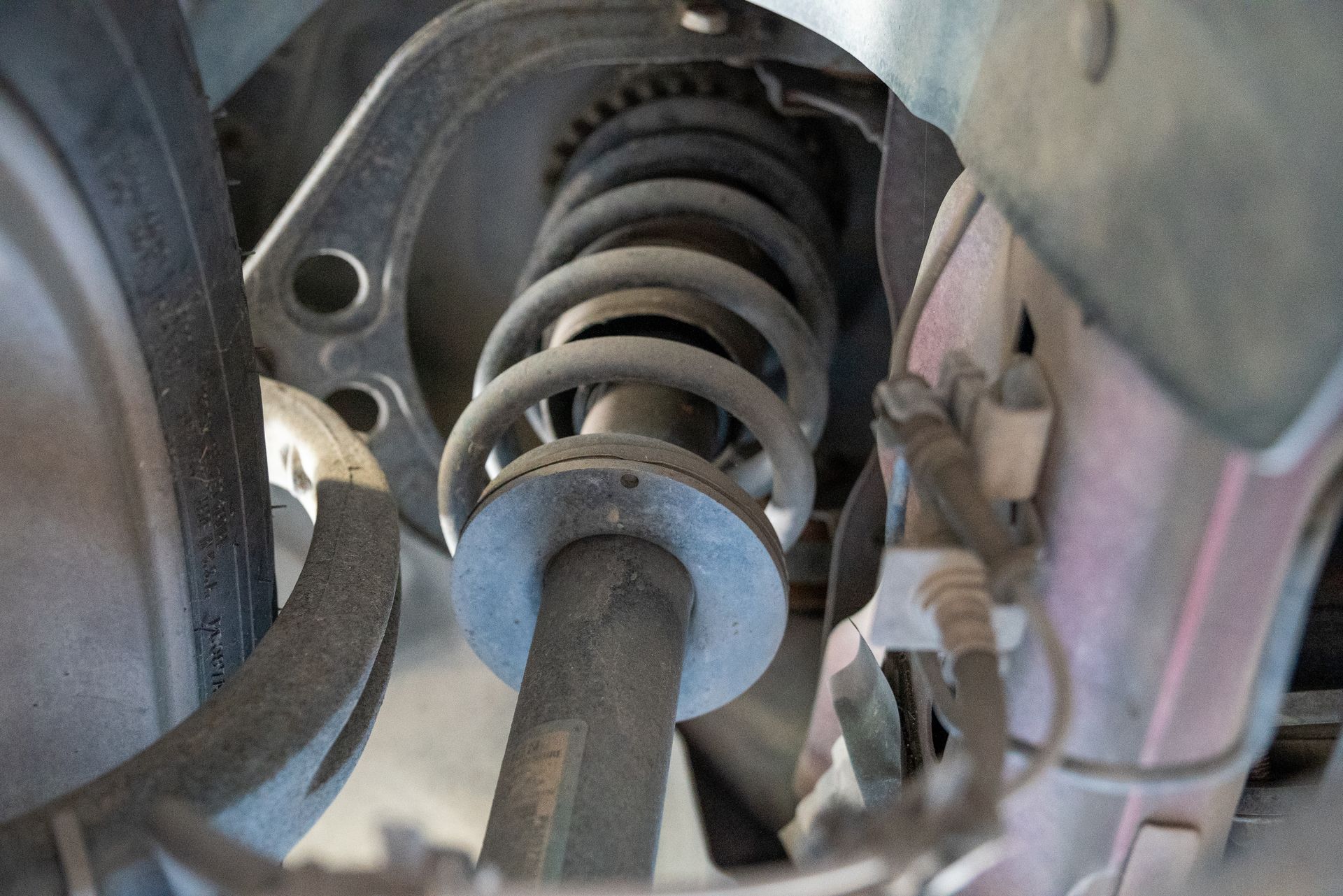
Your vehicle should not make a loud clunk each time you hit a bump. If you hear a clunking noise over bumps, there may be a worn or loose part in the suspension or steering system.
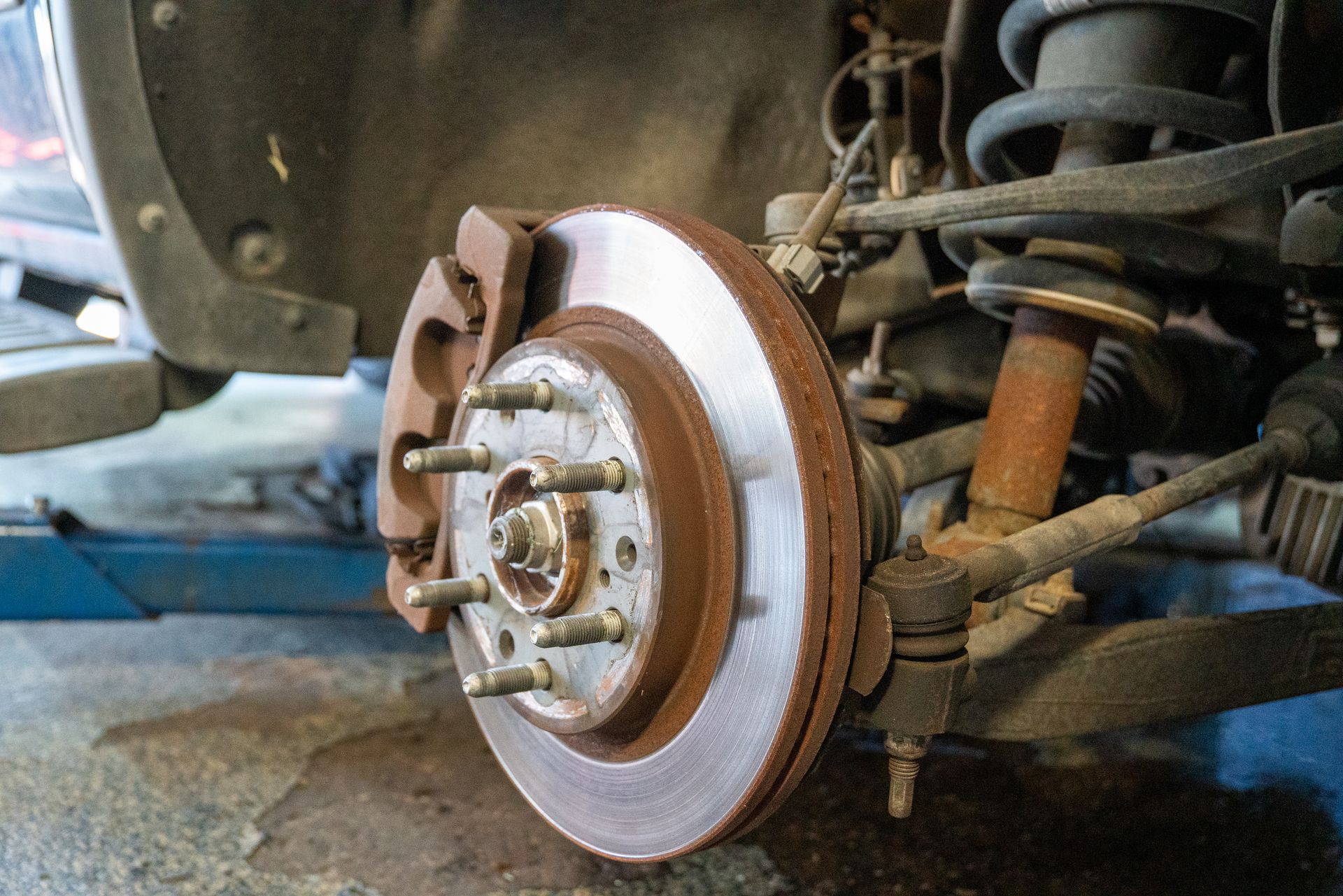
Your vehicle should stay straight when you press the brake pedal. If your car pulls left or right when braking, there may be a problem with the brakes, tires, or suspension.